
Yoshiko Sai Hito no inai Shima (1976)
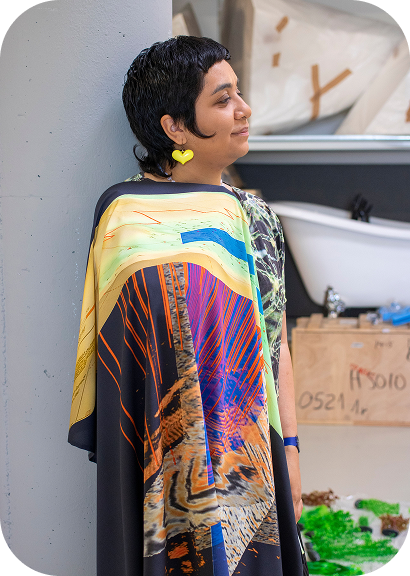
Monira Al Qadiri is a visual artist—but like most labels, this description barely scratches the surface. Her work moves across borders as much as it does across ideas. Born in Senegal, raised in Kuwait, educated in Japan and now based in Berlin, her practice reflects a life shaped by layered cultural memory and academic research.
Her artistic work often orbits the cultural, political and emotional afterlives of oil. She examines petrocultures not just as an economic force, but as something that has reshaped how we imagine the future.
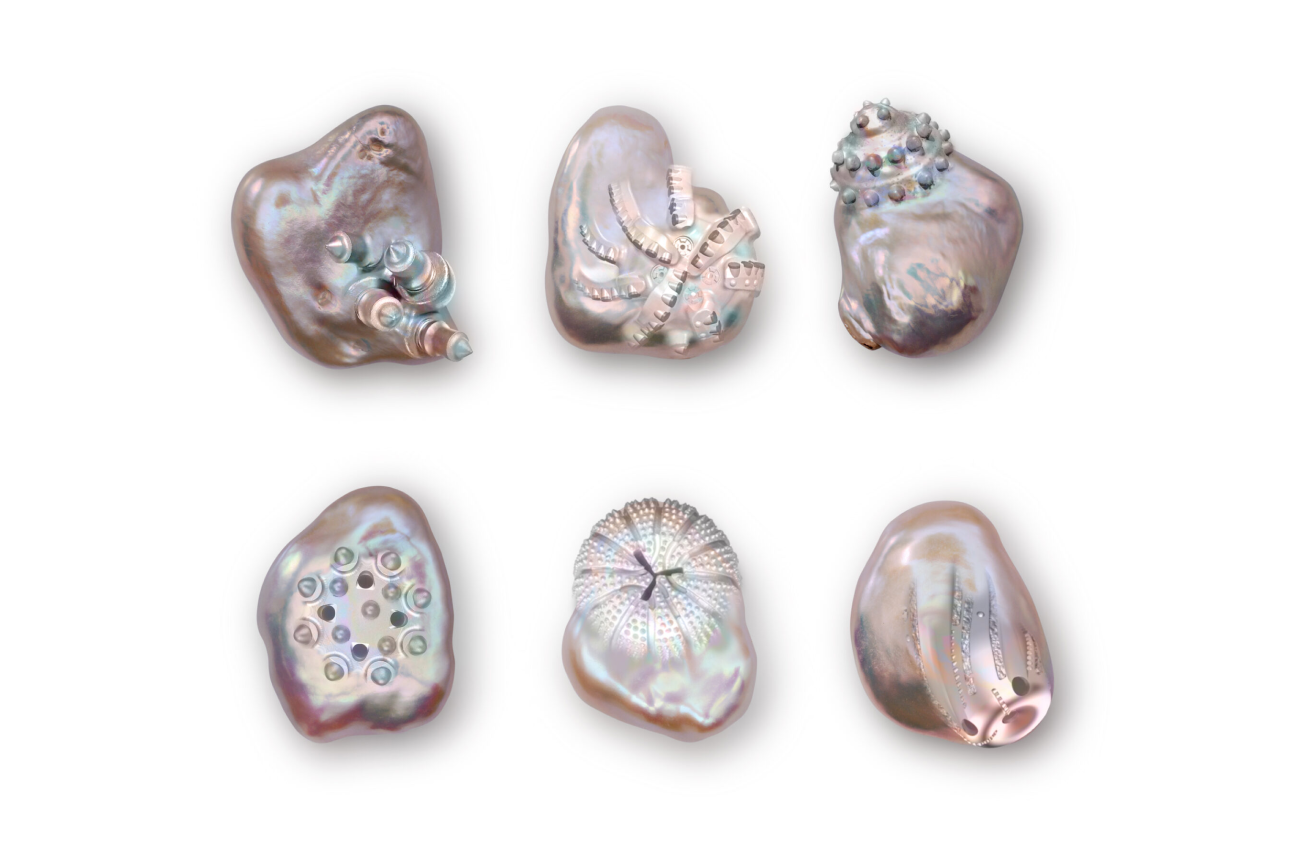
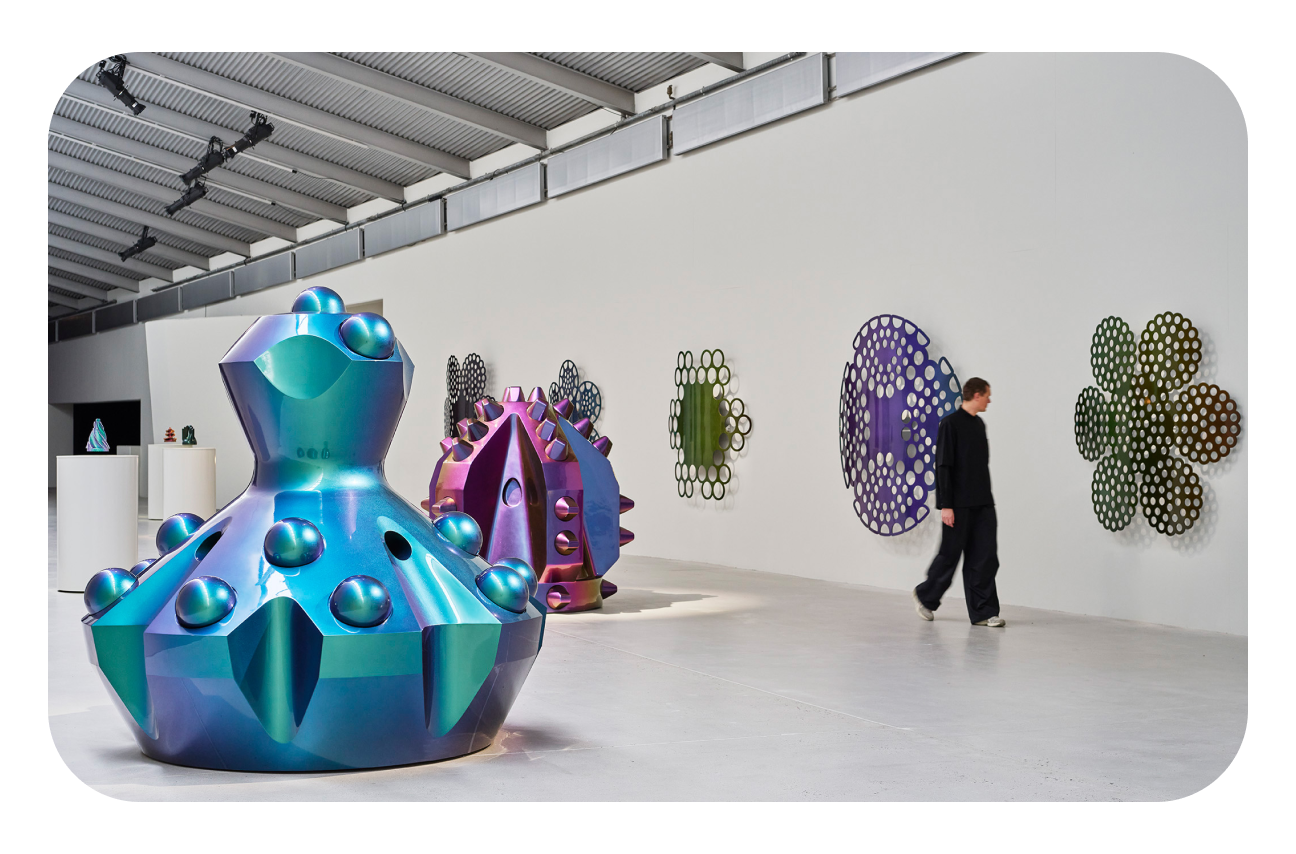
Her installations and sculptures often take on an uncanny beauty: iridescent drill heads, floating petrochemical forms, shimmering surfaces that shift with light. What first appears seductive slowly reveals its weight: systems of extraction, global inequality, environmental collapse. Because oil is not just fuel—it’s embedded in nearly everything around us, from plastics to cosmetics to infrastructure. Al Qadiri traces how this material has come to define contemporary life, while asking what remains once it’s gone.
Growing up in Kuwait after the transition from pearl diving to oil economies, her perspective is shaped by both memory and rupture. This history surfaces in her work as a tension between past and future, mythology and speculation. Ancient symbols—like pearls or scarabs—reappear as futuristic, almost alien forms, pointing toward worlds that feel both familiar and estranged. With a mix of humor and unease, she turns the infrastructures of power into something strangely poetic.

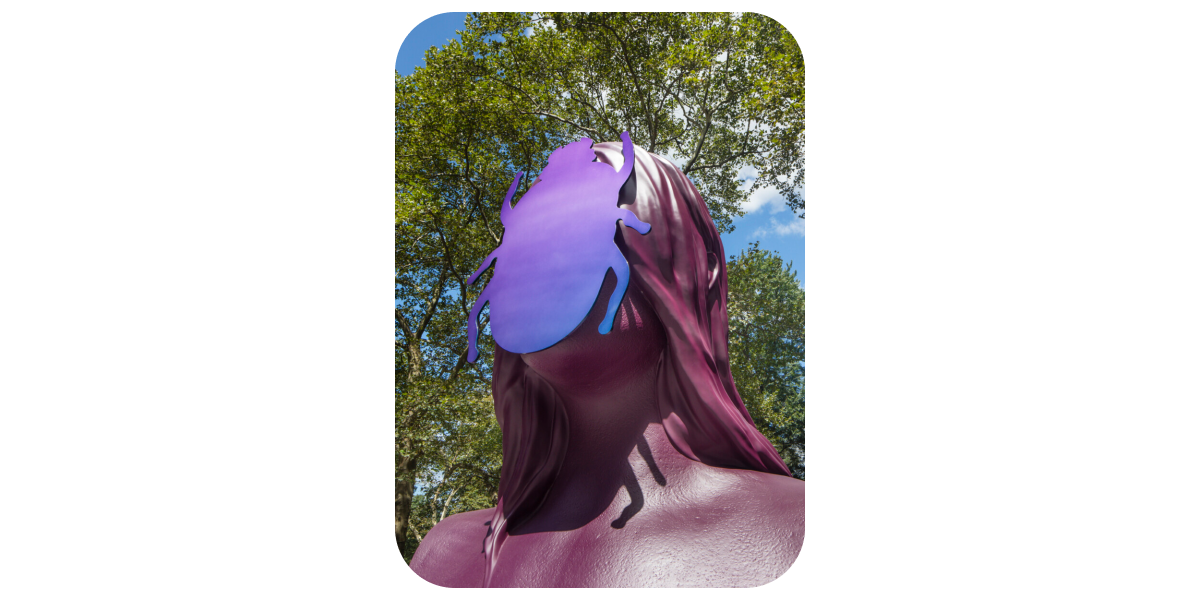
Alongside this, her academic interest in the aesthetics of sadness—rooted in Middle Eastern poetry and music—adds another dimension. It’s this tension between surface and depth, beauty and unease, that makes her practice so captivating.
Her current projects reflect that same range: from solo exhibitions at the Berlinische Galerie and ARKEN Museum to public sculptures in places as varied as Central Park in New York and the windswept Danish coast. Each of these works extends her ongoing inquiry into the afterlives of extraction—where industrial histories blur into personal memory and myth, and where the legacy of oil lingers not just in the ground, but in the ways we see, feel, and narrate the world.
When we asked Monira for a track, she admitted it’s not something she usually does. Still, she sent one: “Hito no inai Shima” (Eng. “An Island Without People”) by Yoshiko Sai feels suspended, melancholic, sparse, almost untethered from time. It drifts rather than moves forward, carrying a sense of solitude that never quite turns into loneliness.
Knowing that Monira lived in Japan for a decade, the song almost feels like a memory that refuses to settle.
Start the conversation
Become a paid member of The Rest to gain access to the comments section.