
Meryl Dembow Martinica (2024)
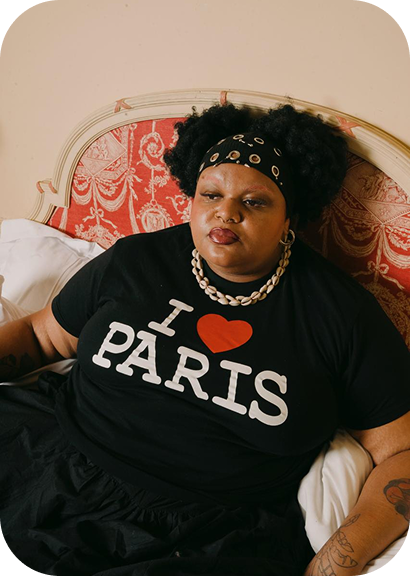
Rooted in Congolese and Martinican heritage, the Paris-based DJ, producer and artist Kali Kalité has built a sonic language shaped by movement: across diasporas, genres, dancefloors and identities. Her sets move fluidly through Shatta, Bouyon, Dancehall, Gqom, Amapiano, R&B and club music, resisting any fixed definition in favor of something more instinctive, layered, most of all alive.
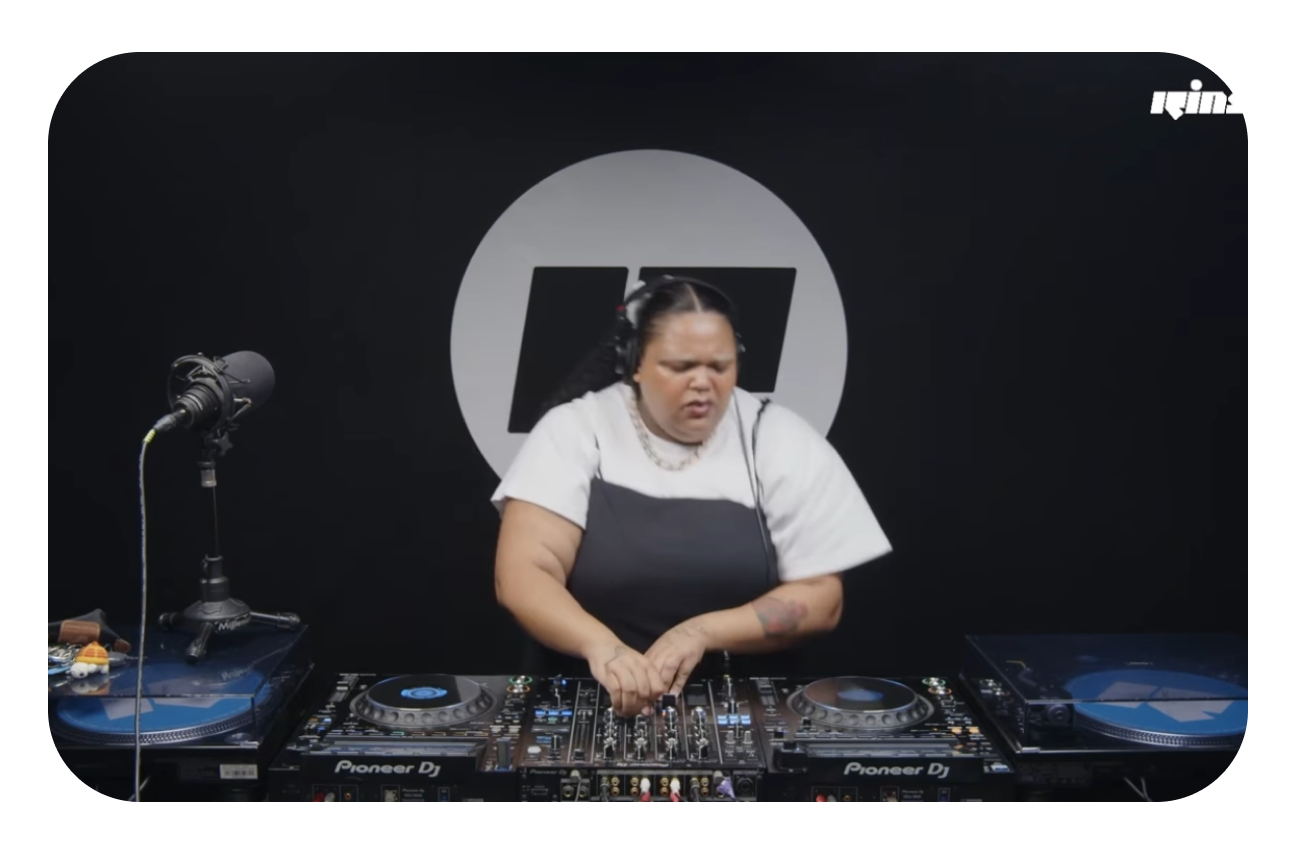
But Kali’s practice has never been only about music. Over the years, she has become a steady presence within nightlife spaces grounded in intersectional politics—from LGBTQI+ parties for racialized communities to Radical Pride events across France. For her, the dance floor is not escapism. It is a world of recognition and collective release where Black queer people are not pushed to the margins, but placed at the center.
That same political commitment runs through her recent project Black Women in the Music Industry: Theft, Heritage and Resistance. First launched as a podcast on Rinse FM and now continuing independently across her own platforms, the series highlights Black female, nonbinary and queer artists whose contributions have too often been erased or left uncredited. Episode by episode, Kali traces lineages of influence and resistance with precision and care, reclaiming cultural memory while opening space for new narratives to emerge.
In everything she does, Kali Kalité operates from the same belief: visibility matters. Especially for those historically denied it. Her work insists that Black queer people deserve to occupy space fully, loudly and without compromise.
When we asked Kali for a track, she chose “Dembow Martinica” by Meryl. The song feels less like a single and more like a declaration: Martinican dembow carried by a collective of Caribbean voices, produced by DJ Tutuss and performed entirely in Creole. Meryl—who recently came out publicly as a lesbian, stating: “I am a woman, I am Black, I am from the Antilles, I love women”—brings something fearless to the track. In Kali’s words: “It’s Martinique speaking for itself, with no filter. The song is both deeply rooted and completely infectious on the dancefloor, which felt exactly right for a Pride issue celebrating queer Afro-descendant voices.”
Start the conversation
Become a paid member of The Rest to gain access to the comments section.