Lee Hazlewood Long Black Train (1963)
When country singer and songwriter Lee Hazlewood released his first album “Trouble Is a Lonesome Town” in 1963, it received mixed reviews. To be fair, it was a very non-standard debut: Starting with the first lines of the opening track “Long Black Train”, Hazlewood spends the entire album coloring in the odd, misfit and often unlucky characters who make up the population of a fictional small town called Trouble, situated somewhere in the U.S.-American South.
Presenting a conceptual storytelling album as your first ever music record is a gutsy move, even if those first harmonica-accentuated bars of “Long Black Train” declare that record to be country through and through—a genre that loves telling stories through its lyrics like few others.
Country music originated in the early 20th century in the Appalachian mountains, where folk songs and ballads of Irish, Scottish and English immigrants meshed with Black music traditions like gospel and blues. The harmonized vocals spoke of working-class struggles or told tragic love stories and tales of revenge, and even though country music has gone through a lot of changes since, it has stayed true to this core feature of storytelling through song.
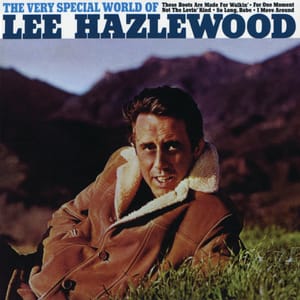
Lee Hazlewood, raised on the country-and-blues offshoot of bluegrass himself, went on to become a household name in the mid-century popular music scene—not despite the nature of his debut, but because of it. As both a singer and a songwriter, Hazlewood worked closely with both Frank and Nancy Sinatra and penned evergreen favorites such as “Some Velvet Morning” and “These Boots Were Made for Walking”, demonstrating again and again that one of his greatest skills is exactly what does make Trouble a good debut: He is a great storyteller.
Adding to Your Listening Pleasure This Week:




Start the conversation
Become a paid member of The Rest to gain access to the comments section.